
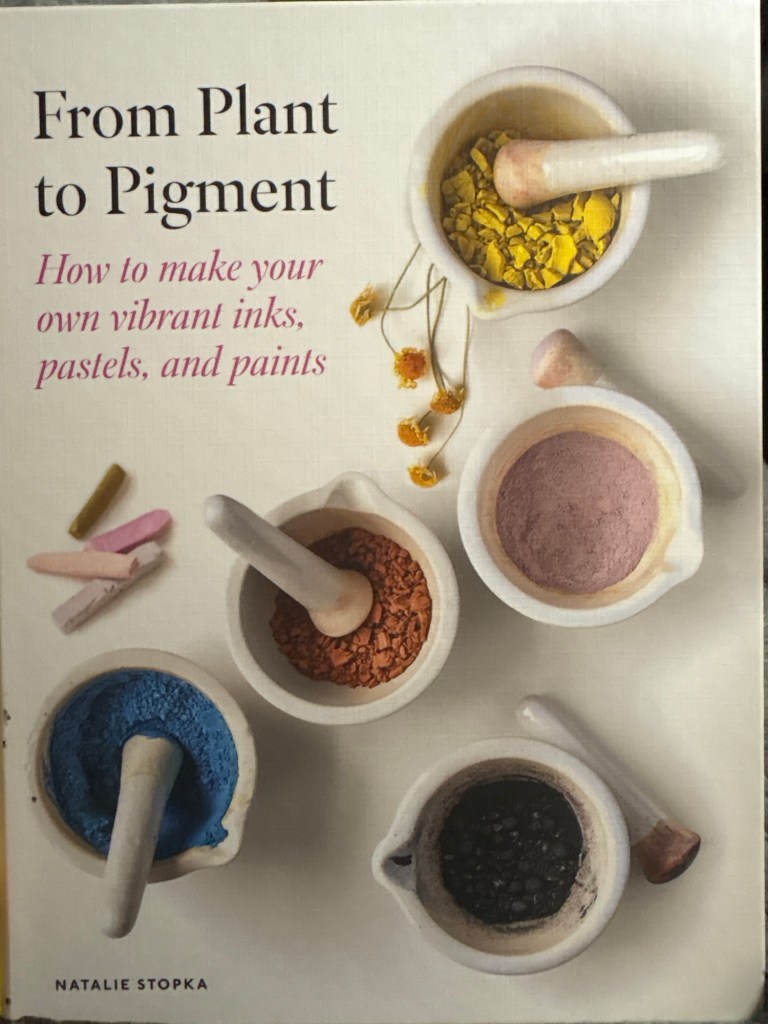
From plant to pigment, an artist transforms ephemeral plant dyes into durable pigments, creating a unique, natural palette that connects their work to the environment. This book teaches the process from plant-based materials into durable pigments by combining historical techniques with modern botanical knowledge. It extends the creative spectrum and fosters a meaningful, sustainable connection to the plants that sustain our environment. The book outlines the essential principles and practices of creating lake pigments from botanical sources, focusing on transforming water-soluble dyes into stable, usable pigments.
The text explores the historical and spiritual significance of pigments, focusing on how the loss of technical secrets has shaped artists’ interactions with materials. Historically, paint-making was a guarded craft with recipes documented by figures like Cennino d’Andrea Cennini. Over centuries, the transition from artist-as-craftsman to artist-as-creator led to a disconnect, where the origin and permanence of materials were misunderstood. This sometimes resulted in the fading of masterpieces or reliance on inferior substitutes. The text distinguishes between “imitating nature” and “introducing reality” in art. For traditions like Orthodox icon painting or Aboriginal desert art, the material and process are deeply theological and philosophical. Ultimately, the text portrays the “paintbox” as a repository of human history, where pigments serve as vessels for memory, trade, and belief.
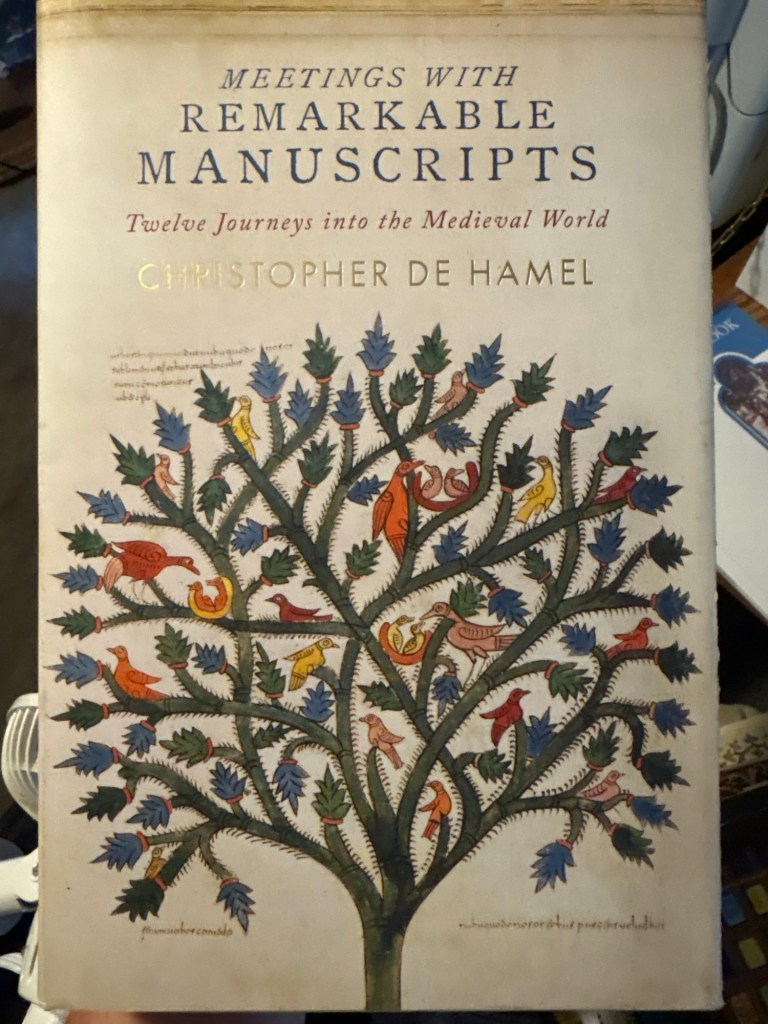
This book explores the captivating world of illuminated medieval manuscripts, drawing insights from an expert. Christopher de Hamel views these books as “intimate interviews,” treating them as living entities rather than relics. He demonstrates how they encapsulate a millennium of human history. The text encourages readers to explore the fascinating lives of these books, turning history into a fun detective-like adventure. It highlights how powerful and personal physical things can be.
Calligraphy and illumination by Patricia Lovett
Mastering calligraphy and illumination necessitates physical preparation, patience, and an appreciation for the artistry of the past. It addresses the fact that calligraphy requires comfort and proper technique to prevent strain. The book discussed a routine that emphasizes relaxation and smooth movement to transform a tense experience into a rewarding endeavor. Illumination enhances manuscripts through consistency and patience. To capture the beauty of ancient art, the manual provides valuable insights on accuracy, materials, gilding, and coloring.
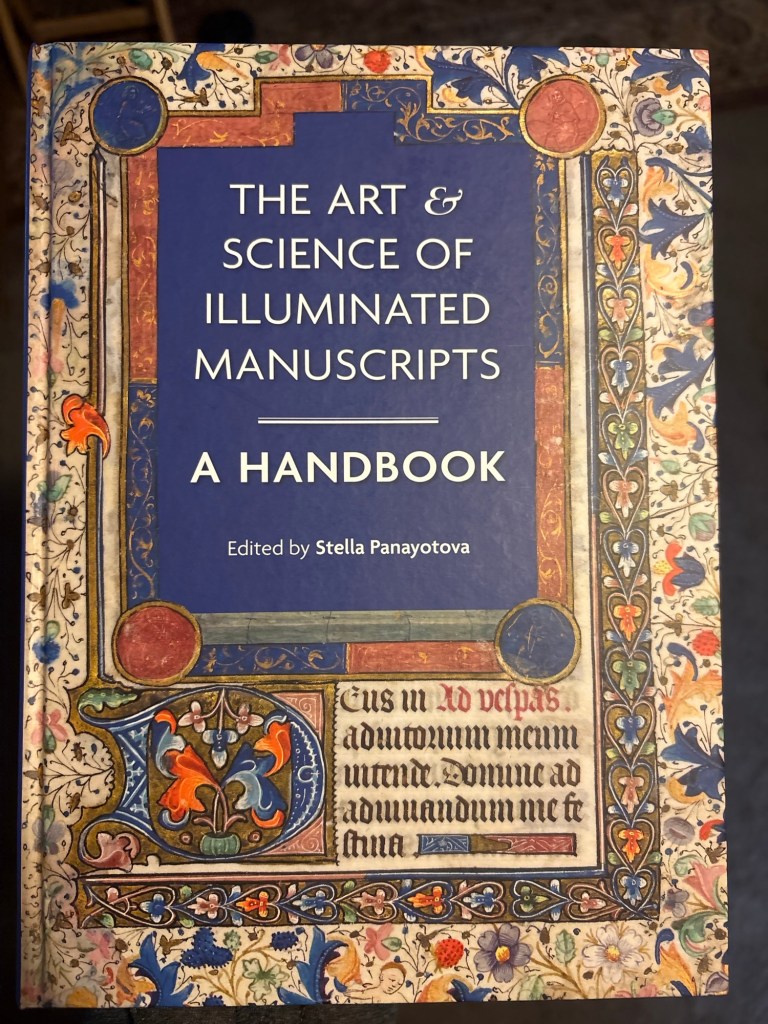
The Art and Science of Illuminated Manuscripts. Artists sourced pigments from global trade routes—ranging from African and Asian imports to local minerals and organic dyes—and often adapted materials from industries such as glass-making, metalwork, and textiles. Modern scientific analysis continues to reveal a much broader and more evolving palette than historical records previously suggested, highlighting a constant spirit of experimentation and adaptation across the centuries.This survey highlights that the evolution of manuscript illumination was not a linear progression, but a story of constant, inventive adaptation. Illuminators were highly sensitive to the optical and tactile properties of their materials, using limited resources to simulate complex realities. Their work stands as a testament to the intersection of deep theological meaning and advanced craftsmanship, where “workmanship surpasses the material” to engage the reader’s mind and senses across the centuries
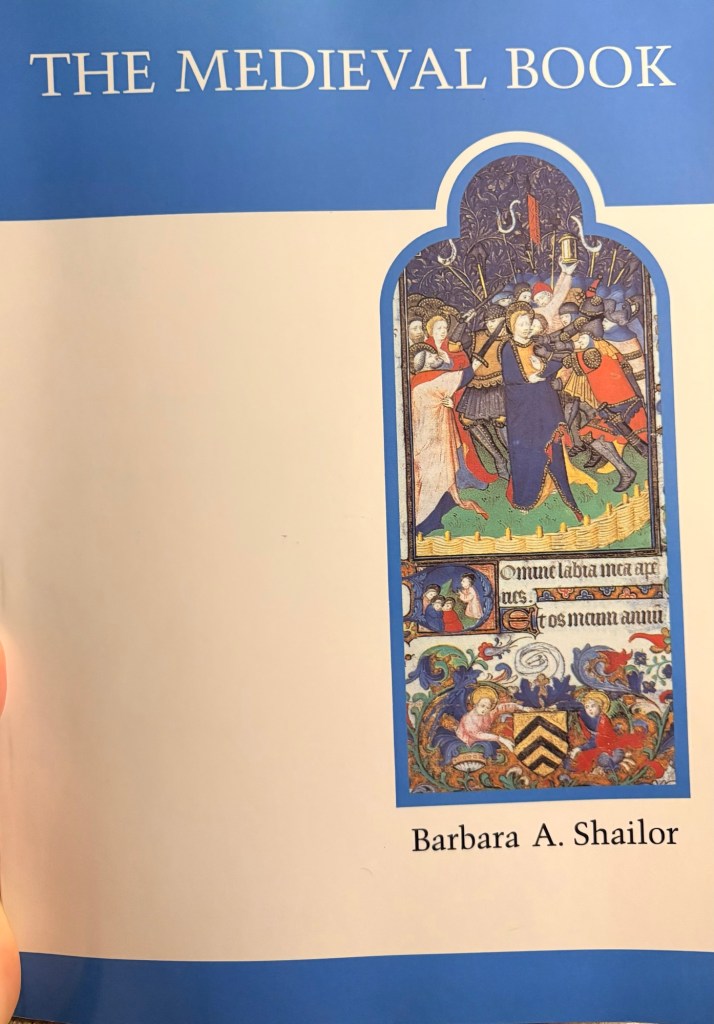
Summary: The Medieval Book by Barbara A. Shailor
This exhibition catalogue presents a comprehensive study of medieval manuscript books as both artistic and historical artifacts. The work delves into the creation of manuscript books and their illumination of the intellectual and social milieu of the Middle Ages and Renaissance. Two main analytical approaches are employed: physical and material analysis, and genre and function. The catalogue provides detailed examinations of various liturgical and devotional texts. The work encompasses the full spectrum of medieval book production, from modest monastic manuscripts to opulent illuminated devotional texts, culminating in an overview of the transition from manuscript to printed books.
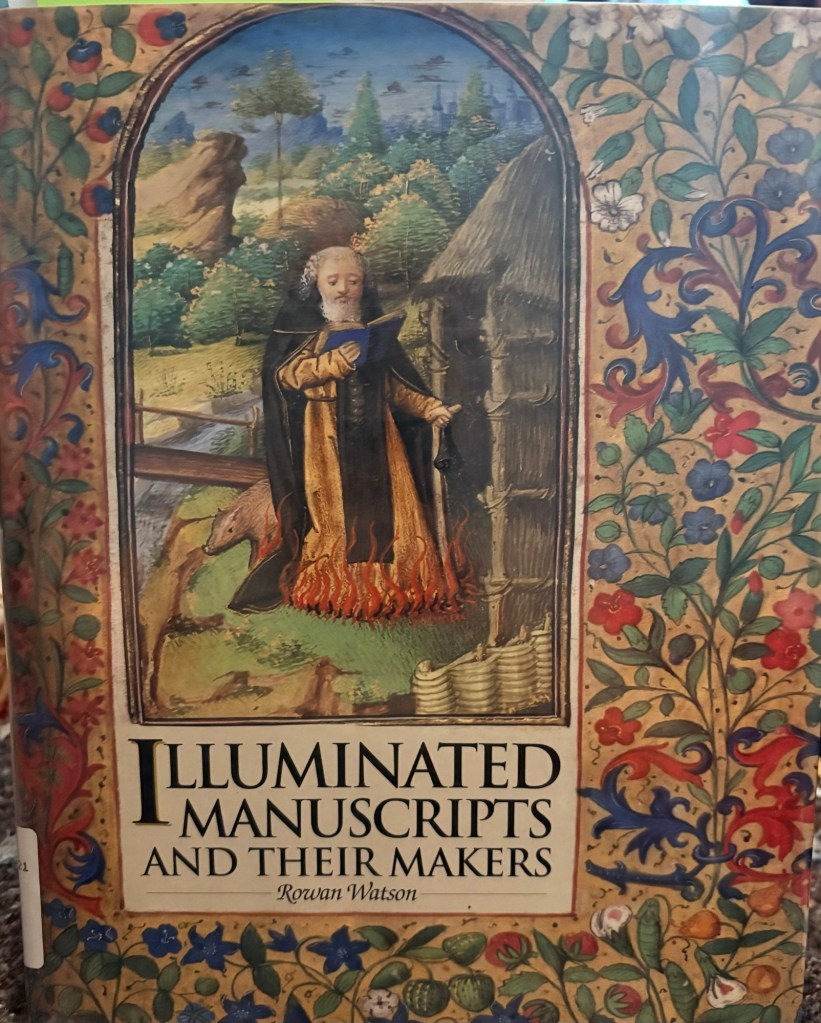
Illuminated Manuscripts and Their Makers by Rowan Watson
This book explores the concept of “illumination,” originally a process of coloring maps and prints. During the medieval period, illumination referred to any embellishment enhancing text legibility. The book covers various illumination forms, from simple initials to elaborate borders and illustrations. Manuscripts, initially produced in monasteries and courts, spread through commercial book trades from the 13th century. The preface highlights the importance of understanding manuscripts’ endurance and current locations—cathedrals, private collections, and libraries/museums. Modern catalogs and the internet have made these collections more accessible for research. The book details illuminated manuscripts at the Victoria and Albert Museum, their creation process, study methodologies, and the rationale behind museums. It aims to educate and inspire research into these extraordinary medieval artifacts.
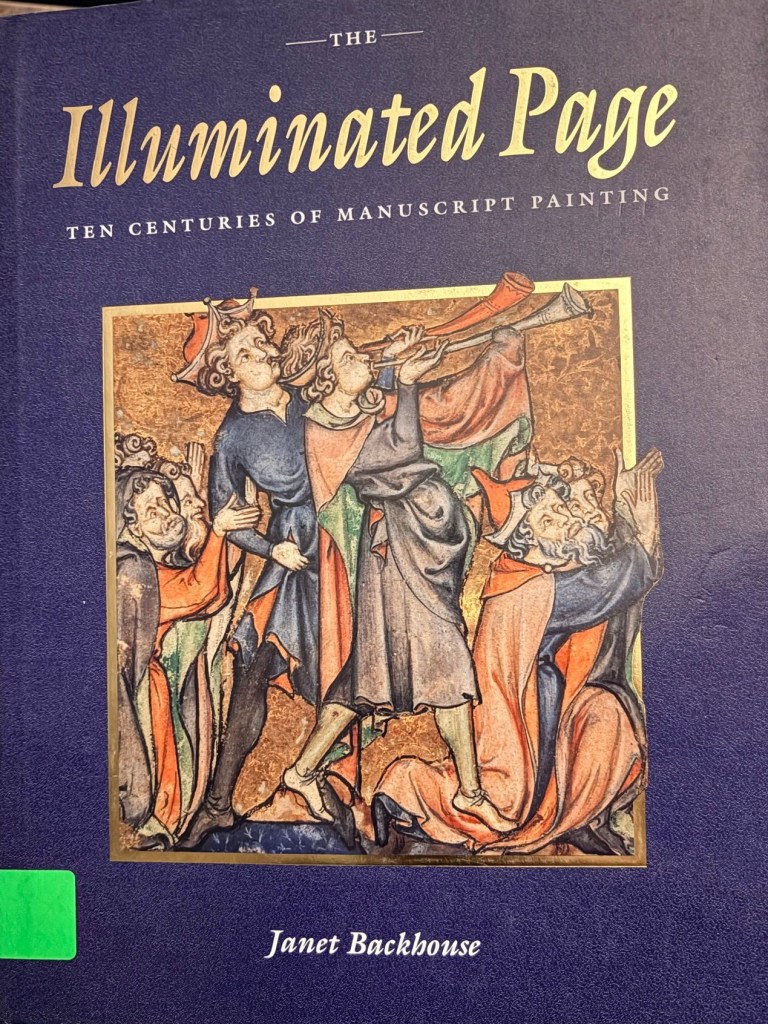
The Illuminated Page: Ten Centuries of Manuscript Painting in The British Library, by Janet Backhouse, is a lavishly illustrated survey of medieval illuminated manuscripts.
The British Library’s collection of medieval manuscripts, spanning the 7th to 17th centuries, includes both devotional and secular works from diverse regions, from Northumbria to Jerusalem. This book features renowned works like the Lindisfarne Gospels and the Bedford Hours, alongside lesser-known masterpieces, many reproduced in color for the first time.
This book showcases the British Library’s extensive collection, rivaling only the Bibliothèque Nationale de France and the Vatican Library. It features an anthology of over 200 illuminated manuscripts, showcasing remarkable variety in date, origin, and physical dimensions
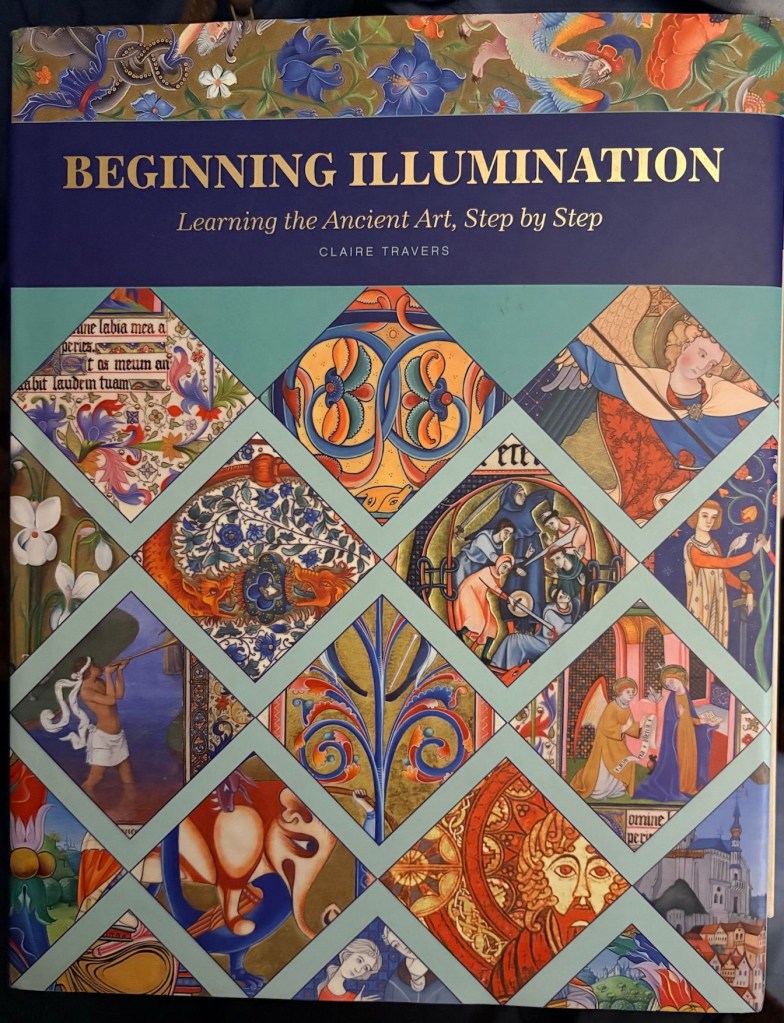
Beginning Illumination
The book explores Illumination, a historic artistic practice combining calligraphy, pigments, and metals to clarify and decorate manuscripts. It discusses visual hierarchy achieved through colored initials and “historiated” initials with scenes. Symbolic light was provided by gold and silver leaf. The book demonstrates how modern practitioners can use traditional methods like preparing parchment, gilding, and using medieval pigments to create personalized gifts, documents, or art. By merging historical techniques with contemporary creativity, artists keep this tradition alive, providing step-by-step directions and pictures of projects to teach medieval art techniques. It’s a must-buy for scribes of all levels.
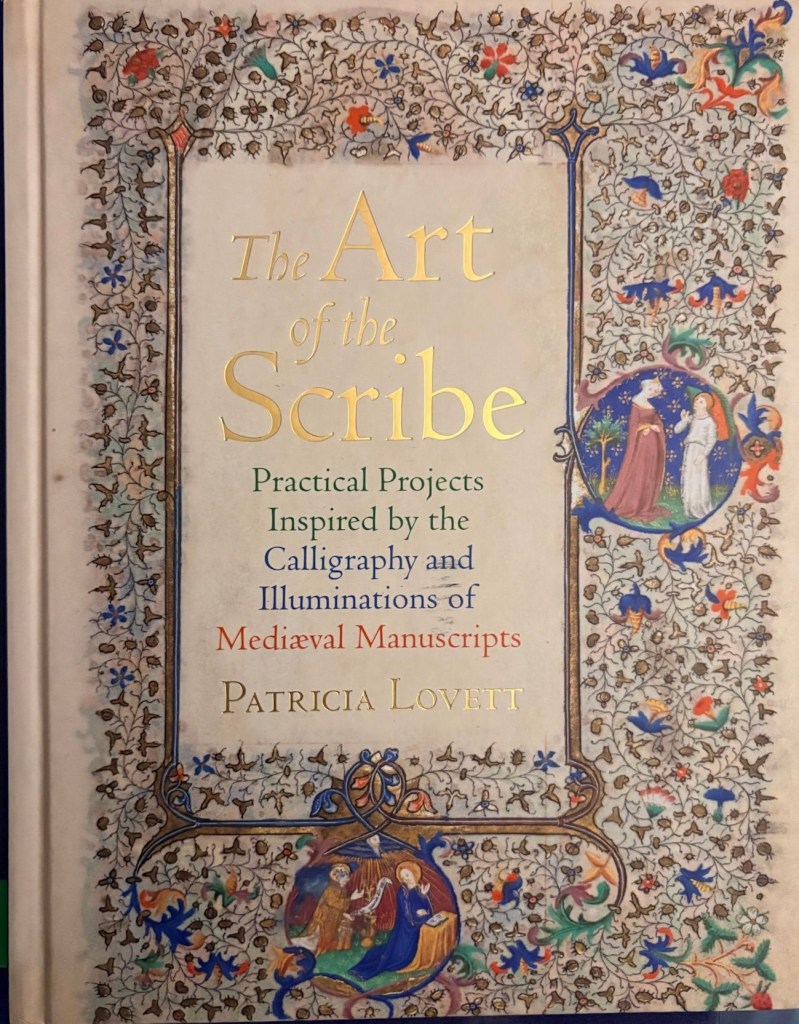
The Art of the Scribe by Patricia Lovett
This comprehensive guide bridges historical manuscript traditions and modern calligraphic practice. Author Patricia Lovett presents seven foundational scripts through her experience as a scribe and illuminator. Iconic works, from the early eighth-century Gospel of St Cuthbert to Renaissance masterpieces, illustrate the relevance of these ancient styles for contemporary creators. The book focuses on practical techniques, with each section including historical analysis, skill development, and creative projects. It emphasizes traditional materials, detailing tools, artistic media, and material selection. This guide honors the “miracle” of illuminated books and serves as a practical manual for mastering the art of the pen. By combining historical context with hands-on projects, it encourages a new generation of calligraphers to keep these traditional skills vibrant and alive.
The Manual for Illumination on paper and vellum.
This handbook is a reproduction of the 1860 treaties on illumination, originally published on paper and vellum. The art of illumination is experiencing a resurgence in popularity, and it is widely practiced and appreciated. Consequently, there is no justification for the publication of a practical work on this subject.
This concise treatise is the culmination of extensive experience, and its careful examination will undoubtedly provide valuable insights. While it does not purport to provide all possible information on illumination it aims to present the subject in a succinct and practical manner, enabling artists and amateurs alike to comprehend and practice it in its most effective and aesthetically pleasing forms.
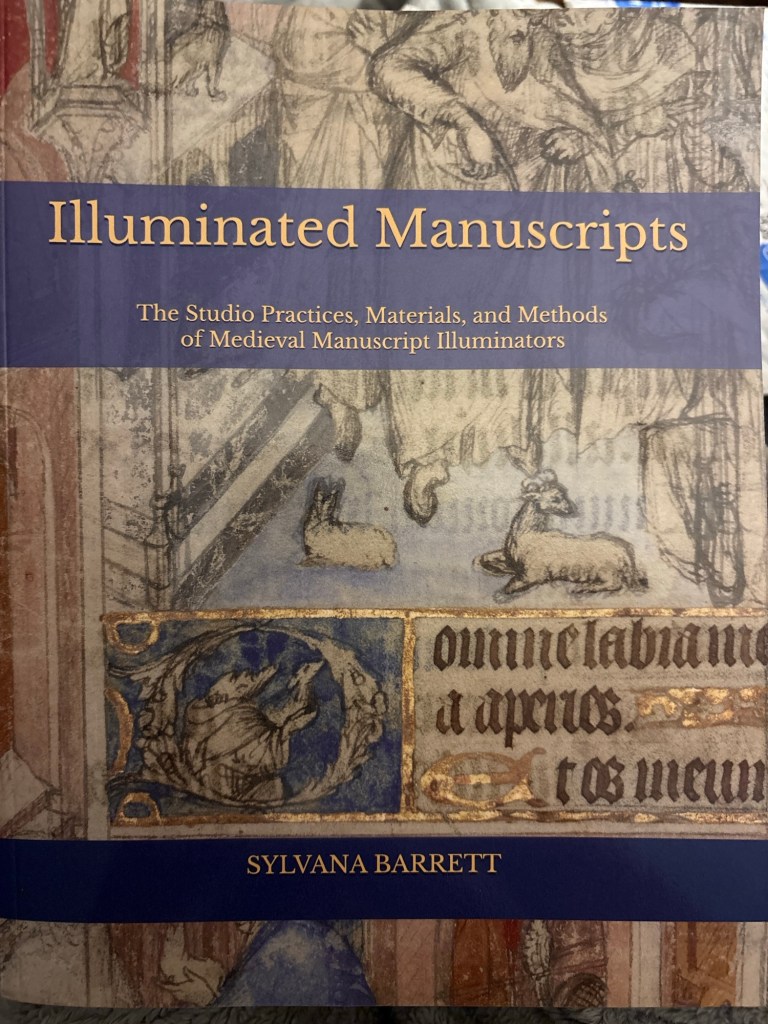
Illuminated Manuscripts by Sylvana Barrett
As the commercial demand for illuminated manuscripts waned with the advent of the printing press in the sixteenth century, numerous specific studio practices employed by these artists were lost to time.
Fortunately, historical treatises and manuals offer valuable insights into this bygone era. The author draws historical information from historical recipe books and studio manuals, including Cennino Cennini’s “Il Libro dell’Arte” and the anonymous “De Arte Illuminandi” and illustrated manuals such as the “Gottingen Model Book.”
The creation of an illumination was a disciplined and highly structured process dictated by the unique requirements of the parchment medium. Medieval artists were unable to use oil paints, which would cause pages to adhere together, or thick tempera, which would crack. Consequently, they developed a distinct technical language.
The book meticulously deconstructs these stages, shifting our perspective from perceiving manuscripts as enigmatic objects to recognizing them as products of meticulous technical skill and deliberate design. The comprehensive approach acknowledges the collaborative endeavors of the original artists. The book comprehends the intricate and collaborative process that underpins medieval illuminated manuscripts, which is essential for a thorough appreciation of these historical artifacts. It is an indispensable resource for all scribes. Rating : 5 of 5 gilded stars ….Highly recommended.
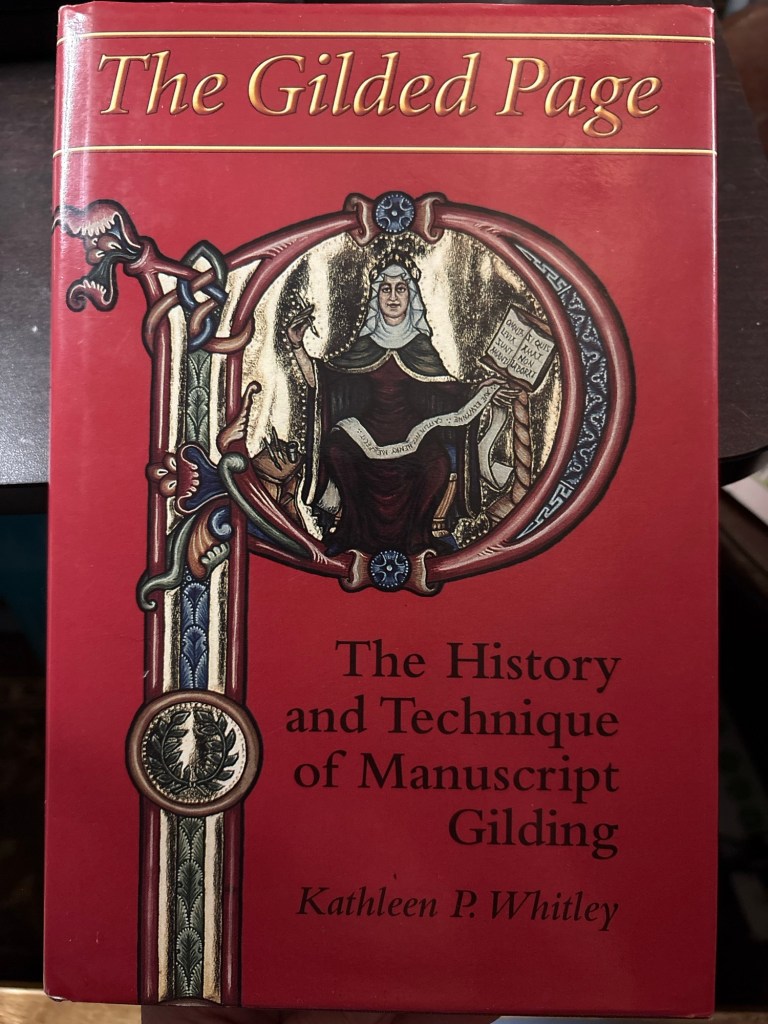
The Gilded Page by Kathleen Whitley
This text is a sneak peek into a full guide on the art of gilding! It shows you both the old and new ways to put gold on manuscripts and paintings. The guide is all about giving you the real scoop on what you’ll need, like the right tools and materials, and how to polish things up step by step, whether you’re working on flat surfaces or raised designs. It’s all about getting into the craft, keeping art safe, and really mastering this ancient, super-valuable decorative technique.
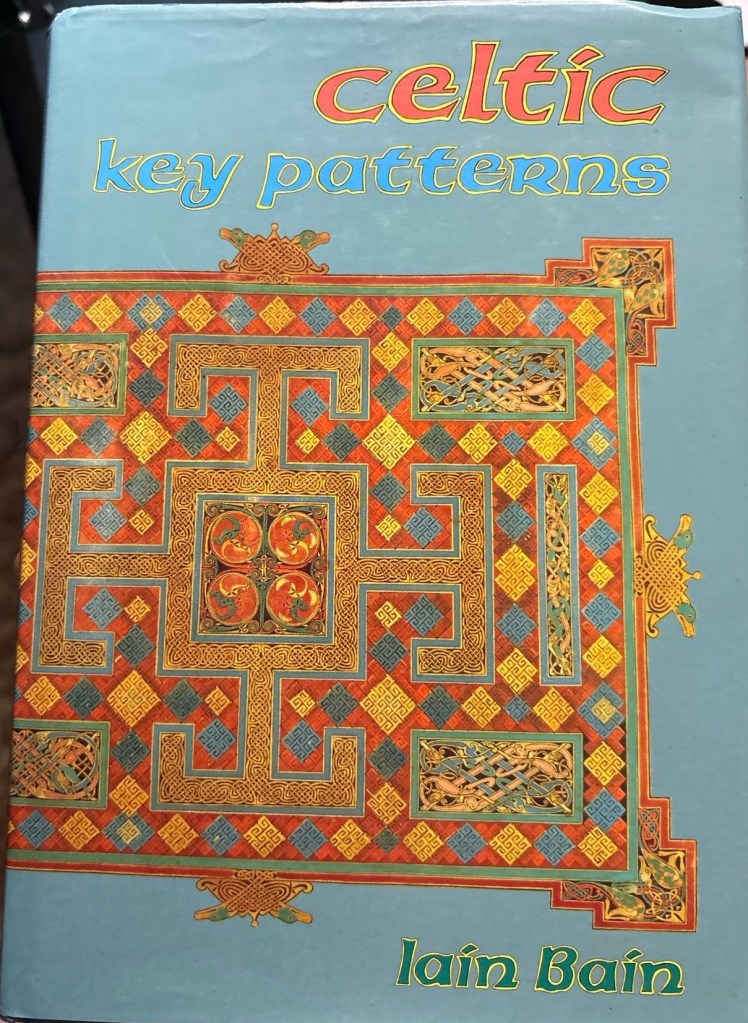
Celtic Key Patterns by Iain Bain
These texts delve into the fascinating world of ancient Celtic ornamental design, highlighting how key patterns are made and their historical importance. Celtic art is known for its clever geometric style, which is based on four main decorative elements: knotwork, spirals, key patterns, and interlacing figures. You can see these designs on huge stone carvings and beautiful illuminated manuscripts, like the Book of Kells. Iain Bain points out that “standard forms” are created by carving away or painting the background to make a really striking visual effect. The author also talks about how tricky it is to call this art “Celtic.” While it’s a common term, there’s evidence that it might be more accurate to say “Pictish,” especially considering the illuminated manuscripts and stone carvings in Northern Britain. These works mix old traditions with influences from later times, like the Anglo-Saxon period. Learning about Celtic ornamentation is more than just learning about art; it connects us to the incredible attention to detail of ancient scribes. By exploring these techniques, we can unlock our own creative potential while keeping a historic, geometric legacy alive that still inspires us.
The Craftsman’s Handbook
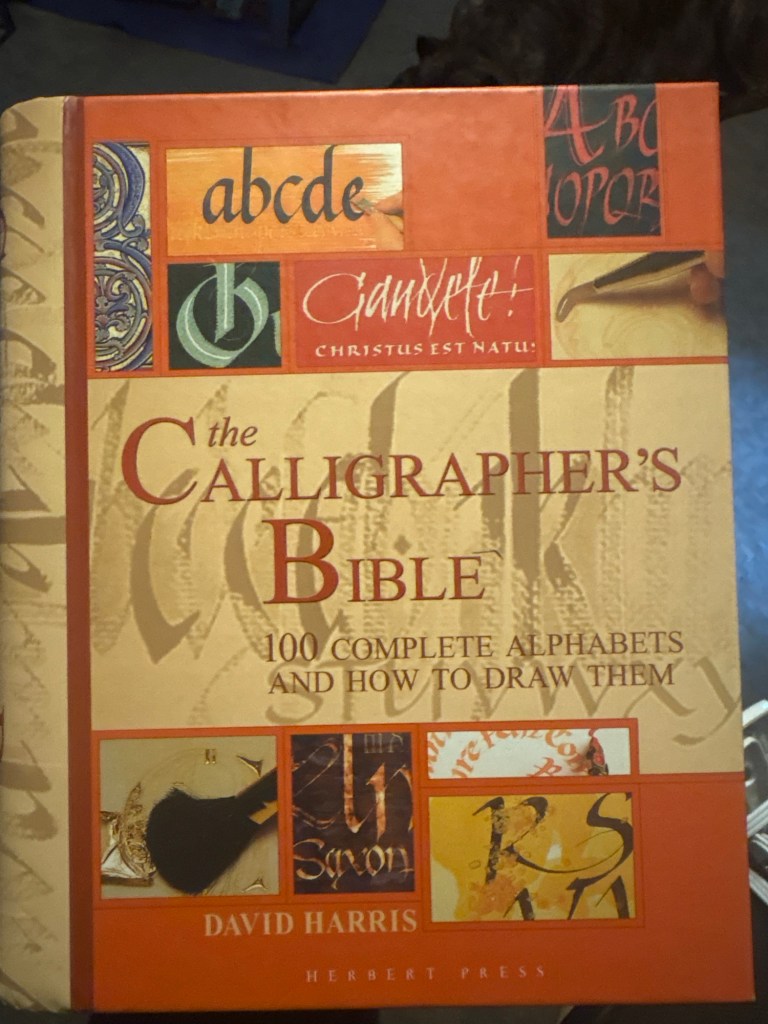
The Calligraphers Bible
Painting for Calligraphers
The Art of Illuminated Manuscripts
The complete Guide to painting and Drawing techniques
The Bible of Illuminated Letters

